Commercial renovation contractors in Snohomish County, WA deal with a permitting system where even a straightforward tenant improvement runs through a formal single-stage review. Get the scope, budget, or contractor vetting wrong and a routine buildout turns into months of change orders. This guide covers what the work involves, what it costs in 2026, and exactly how to vet a contractor before you sign anything.
What Commercial Renovation Services Include
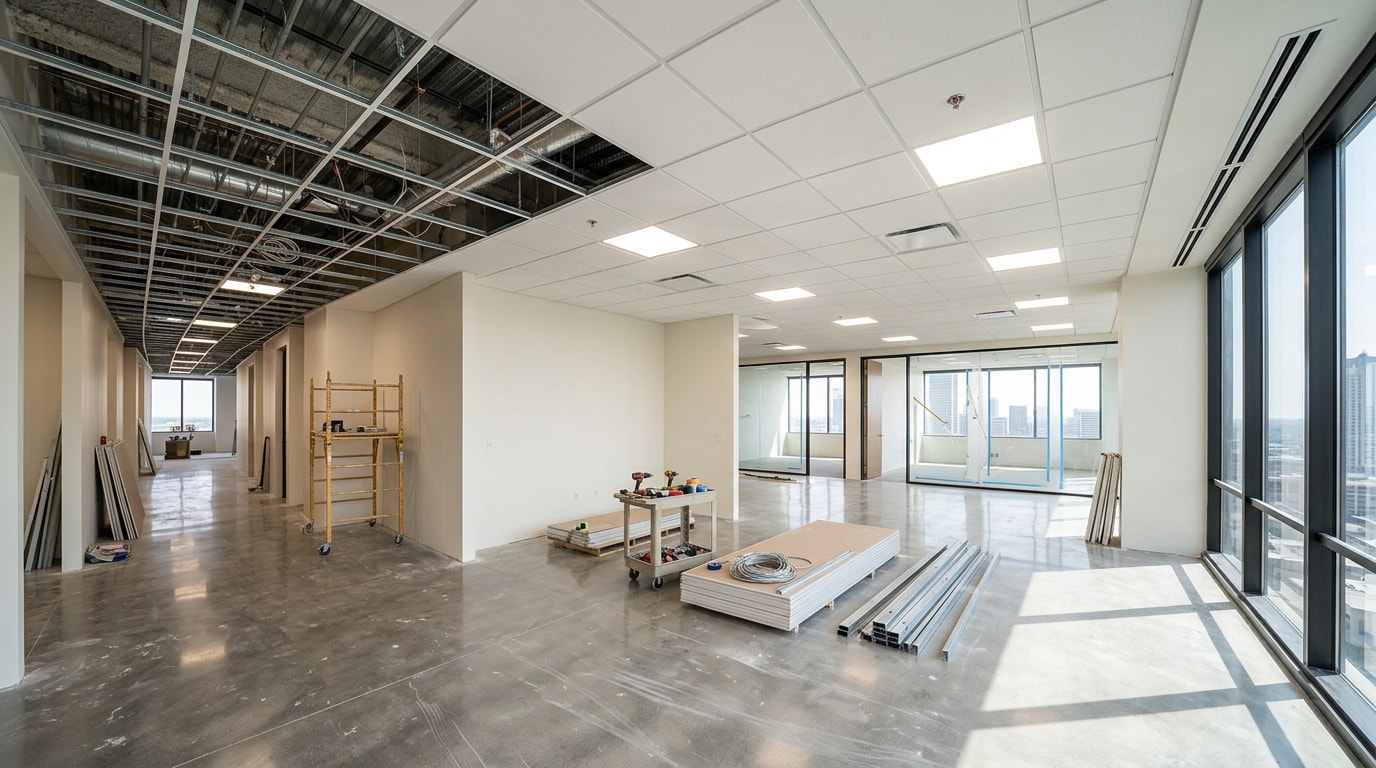
Commercial renovation covers structural modifications, system upgrades, and project management that turn a dated space into a functional, code-compliant asset. A typical project moves through site assessment, demolition, structural work, MEP (mechanical, electrical, plumbing) upgrades, finishes, and final inspection.
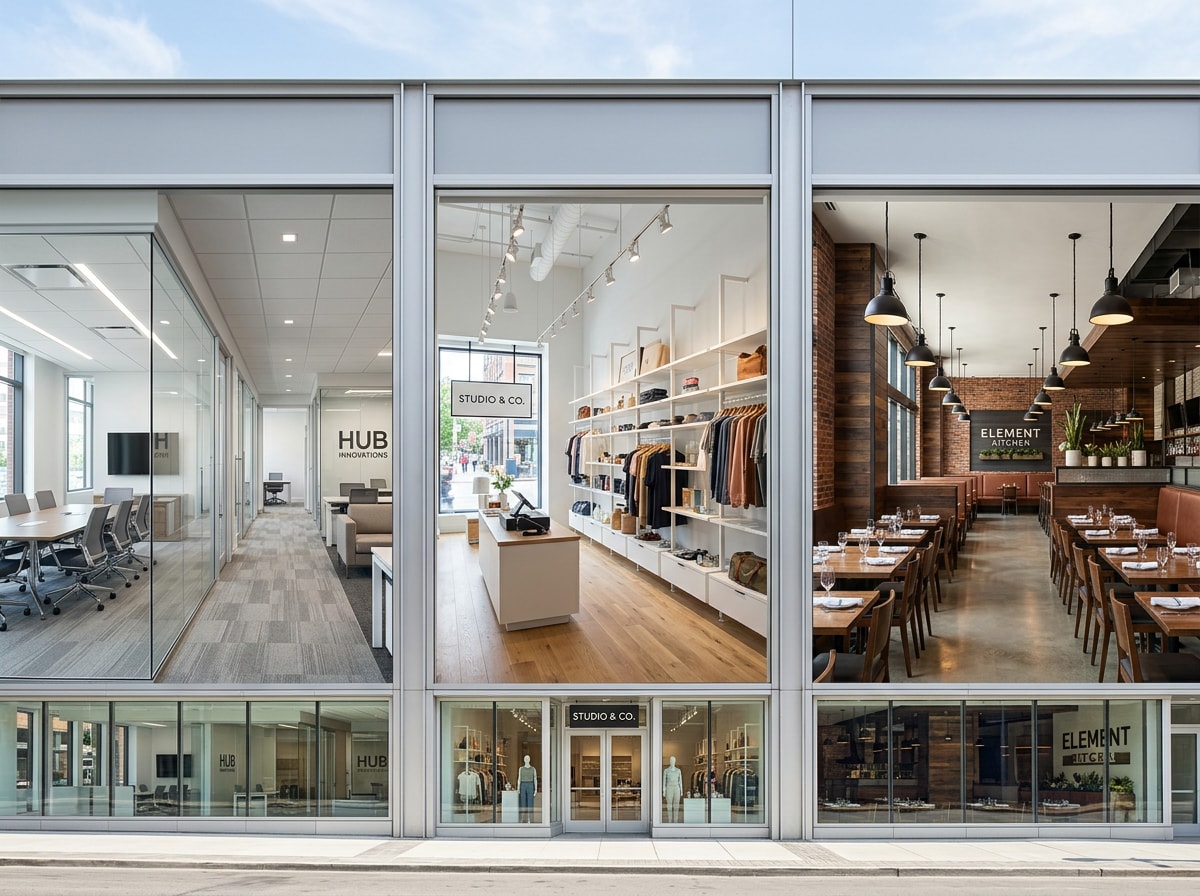
Whether it's an office buildout in Everett, a retail renovation in Lynnwood, a restaurant renovation in Snohomish, or a warehouse update near Monroe, the fundamentals stay the same. Only the details shift with the project type. Warehouse projects, for instance, often need new concrete flatwork or slab repair before any interior work starts. Browse our general contractor services to see how each project type is scoped, including commercial tenant improvements and interior demolition.
Choosing the Right Commercial Renovation Partner
Understanding the scope of work only gets you halfway. The harder part is vetting a contractor you can actually rely on once demo starts. On past Everett and Lynnwood buildouts, the projects that stayed on schedule were the ones where the contractor asked hard questions about occupancy, lease terms, and inspection sequencing before the proposal was even finalized. The five areas below are worth scrutinizing before you sign anything.
Weigh Their Experience in Commercial Projects
Experience isn't a guarantee of a smooth project, but it's a strong indicator. Reviewing a contractor's past work shows what results to expect and whether they've handled a similar project type. An experienced commercial contractor often spots problems before they escalate into delays or change orders.
Commercial construction differs from residential work in regulations, safety standards, and coordination complexity, so don't assume scale is the only difference. Ask specifically about comparable local projects. Request a commercial project portfolio that reflects genuine Snohomish County experience, not just general contracting work elsewhere in the state.
Verify Credentials, Licensing, Insurance & Safety Record
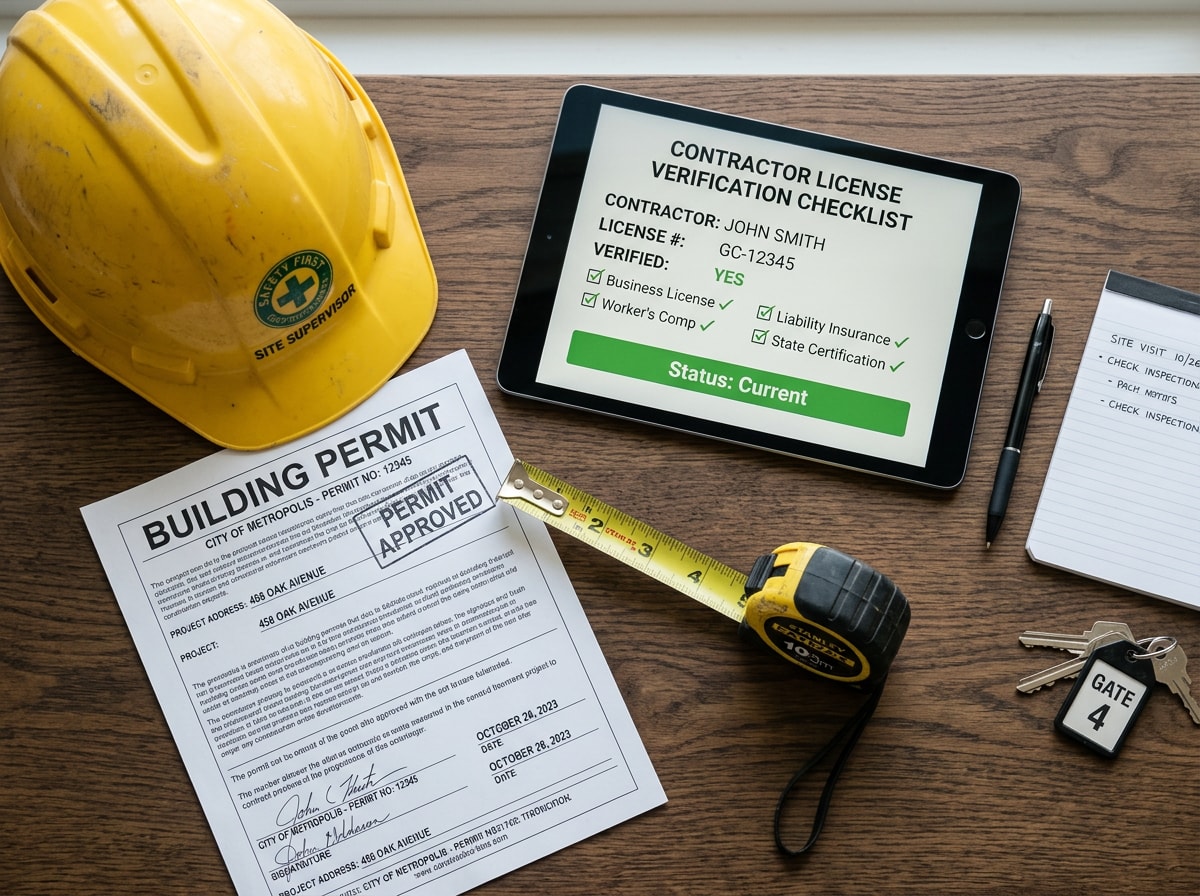
A qualified contractor should hold every license, insurance policy, and bond required to legally operate on a commercial project in Washington State. This protects your business if something goes wrong on-site. The Washington State Department of Labor & Industries contractor verification tool lets anyone check active registration status, bond coverage, and filed infractions before signing a contract.
Safety record matters too. A jobsite injury creates potential for lawsuits and delays, and a contractor with a strong safety culture usually isn't cutting corners elsewhere either. Ask about safety training and recent incident history as part of the vetting conversation.
Check References, Portfolio & Team Qualifications
Contact references from the contractor's list and ask one direct question: has the work held up over time? A project that looked great at handoff but failed within a year tells you something important.
Review the project portfolio for evidence of similar scope and complexity, not just style. It's also worth asking who will actually be on-site day to day. Request the qualifications of the project team and meet the lead supervisor if possible before committing.
Evaluate Communication Skills
There's no such thing as a simple commercial renovation project. Something always comes up. How a contractor communicates during the proposal phase predicts how they'll communicate once work starts.
If a prospective contractor is slow to return calls, vague about scope, or hard to pin down before anything's signed, treat it as a warning sign. Responsive, clear communication early on tends to carry through the rest of the project.
Review Contracts, Quotes, Project Management & Timelines
A comprehensive commercial renovation contract should spell out the scope of work, materials, project timeline, payment schedule, warranty terms, and change-order procedures in plain language. Vague contracts create room for disputes later, so push back on anything that feels incomplete.
Ask how the contractor manages scheduling and budget tracking. Collecting multiple detailed quotes before deciding also helps; comparing scope and assumptions side by side reveals more about quality than price alone. If you're ready to compare a detailed quote against what else is in the market, get a free estimate and use it as your baseline.
Understanding Commercial Building Permits in Snohomish County
Most structural changes, electrical work, plumbing modifications, or HVAC upgrades in a commercial building require a permit. Washington's building code requires anyone who intends to construct, enlarge, alter, repair, or change the occupancy of a building to first make application to the building official and obtain the required permit .
In unincorporated Snohomish County, commercial tenant improvement applications go through the county's Planning and Development Services (PDS) Permit Portal. According to the county, Commercial Tenant Improvement applications go through the online PDS Permit Portal, and tenant improvement projects normally require a single-stage review following submittal which normally takes up to 3 weeks, but it can take longer depending on project complexity. If your site sits inside a city like Everett, Lynnwood, or Monroe, permitting instead runs through that city's own building department, so confirm jurisdiction before you build a schedule around a specific timeline.
Review requirements also scale with building size. The City of Snohomish notes that residential or commercial buildings that require engineering, exceed four residential units, or exceed 4,000 square feet will require a licensed Washington State architect . A contractor with established Snohomish County service area experience typically manages plan submission, code questions, and inspection scheduling, so permitting rarely becomes a full-time job for the owner. For model code references that many Washington jurisdictions adopt as their baseline, the International Code Council publishes current standards.
Commercial Renovation Cost Per Square Foot: 2026 Budget Expectations
Commercial renovation costs vary by project type, finish level, and structural scope. 2026 labor and material costs in the Puget Sound region typically run above national averages. Based on recent Sherman GC projects in Everett, Lynnwood, and Monroe, here's what owners should budget for:
| Project Type | Est. Cost per Sq. Ft. (2026) | Typical Timeline |
|---|---|---|
| Office buildout | $60–$150 | 4–10 weeks |
| Retail renovation | $70–$160 | 4–12 weeks |
| Restaurant renovation | $150–$350 | 6–14 weeks |
| Warehouse renovation | $40–$100 | 10–20 weeks |
Treat these as planning estimates, not fixed quotes. Every site has variables, from existing MEP condition to occupancy type, that shift the final number. Restaurant renovations run longest per square foot because kitchen work has to clear health-code review on top of standard building permits. Warehouse renovations often stretch past 10 weeks simply because crews are coordinating around heavy equipment and, in many cases, a business that stays partially operational throughout.
Phased Renovation Strategies for Business Continuity
A renovation doesn't have to mean closing the doors. Phased renovation breaks a larger project into sequenced stages: crews work one section while another stays open, then rotate. This approach is common in retail stores, restaurants, and offices that can't afford extended downtime.
Experienced contractors schedule disruptive work around business hours, coordinate access routes with staff, and keep customers informed when needed. The goal is minimal disruption, not a silent jobsite; some trade-off is normal. For businesses depending on steady foot traffic or client visits, phasing protects both revenue and reputation while the work gets done.
Sustainable and Energy-Efficient Commercial Upgrades
Energy-efficient upgrades, like better insulation, updated lighting, and improved HVAC efficiency, are increasingly built into larger projects rather than treated as separate add-ons. In Washington, this isn't optional for most commercial scopes: local permit checklists require Energy Code Data for all non-residential buildings and residential buildings more than three stories as part of the submittal package.
Beyond code compliance, many businesses qualify for rebates tied to sustainable upgrades through utility-sponsored or federal incentive programs. Snohomish County businesses should ask their contractor to flag which upgrades might qualify before finalizing a scope of work, since rebate programs and eligibility rules shift from year to year. The ENERGY STAR program for commercial buildings maintains current guidance on efficiency standards and incentive categories worth reviewing early in planning.
Conclusion
Hiring a commercial renovation contractor is a major business decision, not a minor maintenance call. The right partner delivers solid workmanship while guiding you through permits, budgeting, scheduling, and the realities of operating during construction.
Vetting experience, credentials, communication, and contract details upfront makes it far easier to hire with confidence. Sherman GC has managed commercial tenant improvement and renovation projects across Snohomish, Skagit, Whatcom, and San Juan counties; see how we approach project staffing in our post on what a construction lead role means for your 2026 build. Request a free estimate to start the conversation on your project.
FAQ
Do I need a building permit for commercial renovations in Snohomish County?
Yes. Commercial renovation projects in Snohomish County jurisdictions require building permits to confirm compliance with local codes and safety standards. Structural changes, HVAC work, and electrical upgrades typically all need approval. Skipping permits can lead to fines, failed inspections, and complications when selling or refinancing the property.
How long does a commercial tenant improvement permit take to review in Snohomish County?
For projects in unincorporated Snohomish County, a standard tenant improvement permit normally goes through a single-stage review that takes about three weeks after submittal, though more complex projects can take longer. Permits filed with a city department, such as Everett or Lynnwood, follow that city's own review timeline instead.
What factors affect the cost of commercial renovation per square foot?
Cost varies based on project type, selected finishes, structural requirements, and local labor rates. Office buildouts, retail fit-outs, and restaurant renovations each carry different cost profiles, with restaurant work typically running highest due to specialized kitchen and health-code requirements.
Do I need an architect for a commercial renovation in Washington State?
It depends on the project. Some jurisdictions require a licensed Washington State architect once a commercial project involves engineering, exceeds a set unit count, or exceeds a certain square footage. Confirm the threshold with your specific city or county building department before finalizing design plans.
What should I look for when choosing a commercial renovation contractor?
Look for proper licensing, insurance, and bonding; references from similar local projects; working knowledge of Snohomish County building codes and permits; and a detailed written estimate with transparent communication and a clear project timeline.
What should be included in a commercial renovation contract?
A comprehensive contract should include a detailed description of the scope of work, the materials being used, the project timeline, the payment schedule, warranty information, and clear procedures for handling change orders during construction.