A foreman runs the crew; a superintendent runs the site. That one line settles most of the foreman vs superintendent Snohomish County, WA confusion we hear from job seekers, subcontractors building out a team, and homeowners who just want to know who makes the call on their project.
This guide is maintained by the Sherman General Contracting field operations team, who staff foreman and superintendent roles on custom home, remodel, and commercial projects across Snohomish County. On our own jobs, the shift from a single foreman to a dedicated superintendent usually happens the moment a second trade shows up on site at the same time as the first.
The Short Answer
A foreman supervises the people doing the work, usually within a single trade. A superintendent supervises the project itself, coordinating every trade working toward the same deadline.
Both roles carry real authority. They just operate at different altitudes of the job.
This question tends to come up in three situations: someone comparing job titles before applying for work, a general contractor or sub structuring a crew, or a client trying to figure out who to call when a decision needs to be made fast. In every case, the answer comes down to scope of responsibility, not seniority alone.
What Does a Foreman Do on a Construction Site?
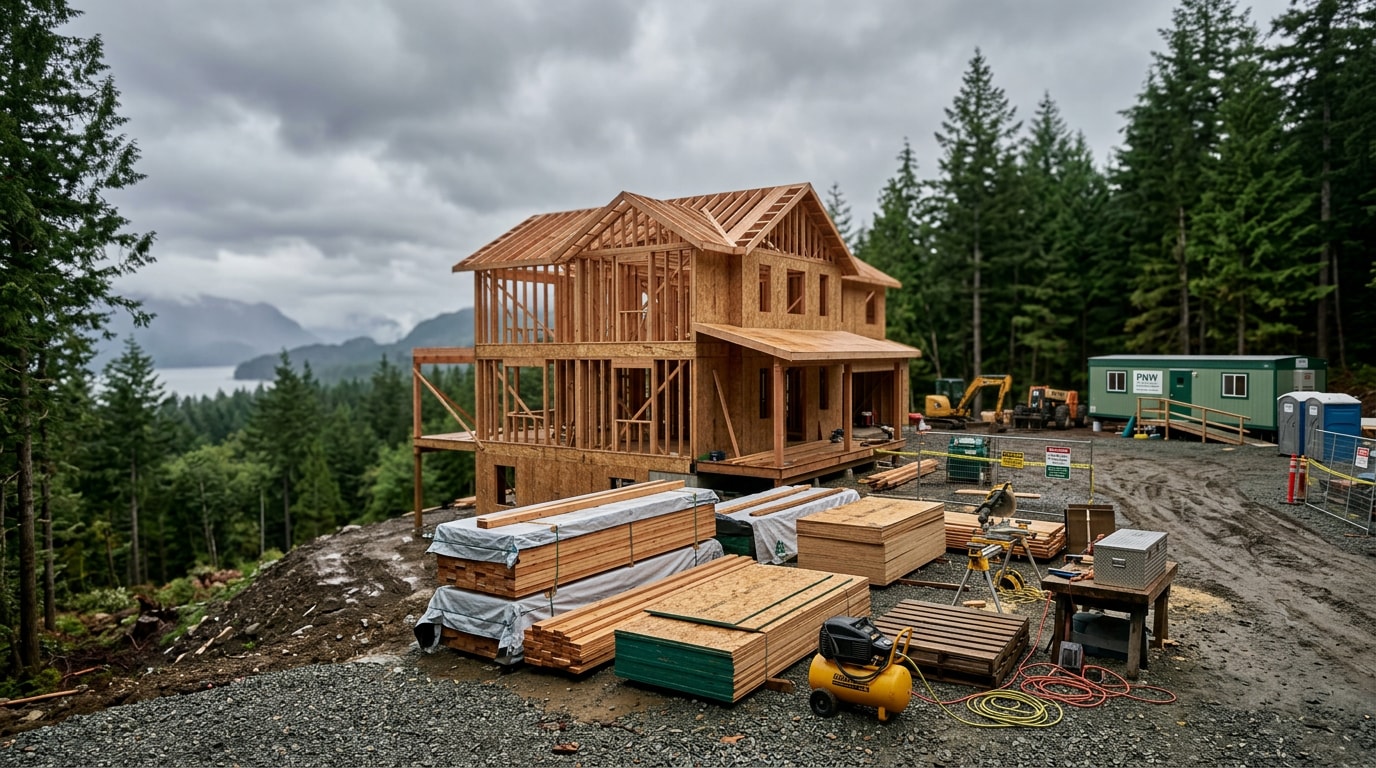
A foreman manages the daily rhythm of one crew or trade. The role is deep but narrow, rarely extending past the foreman's own crew and work area.
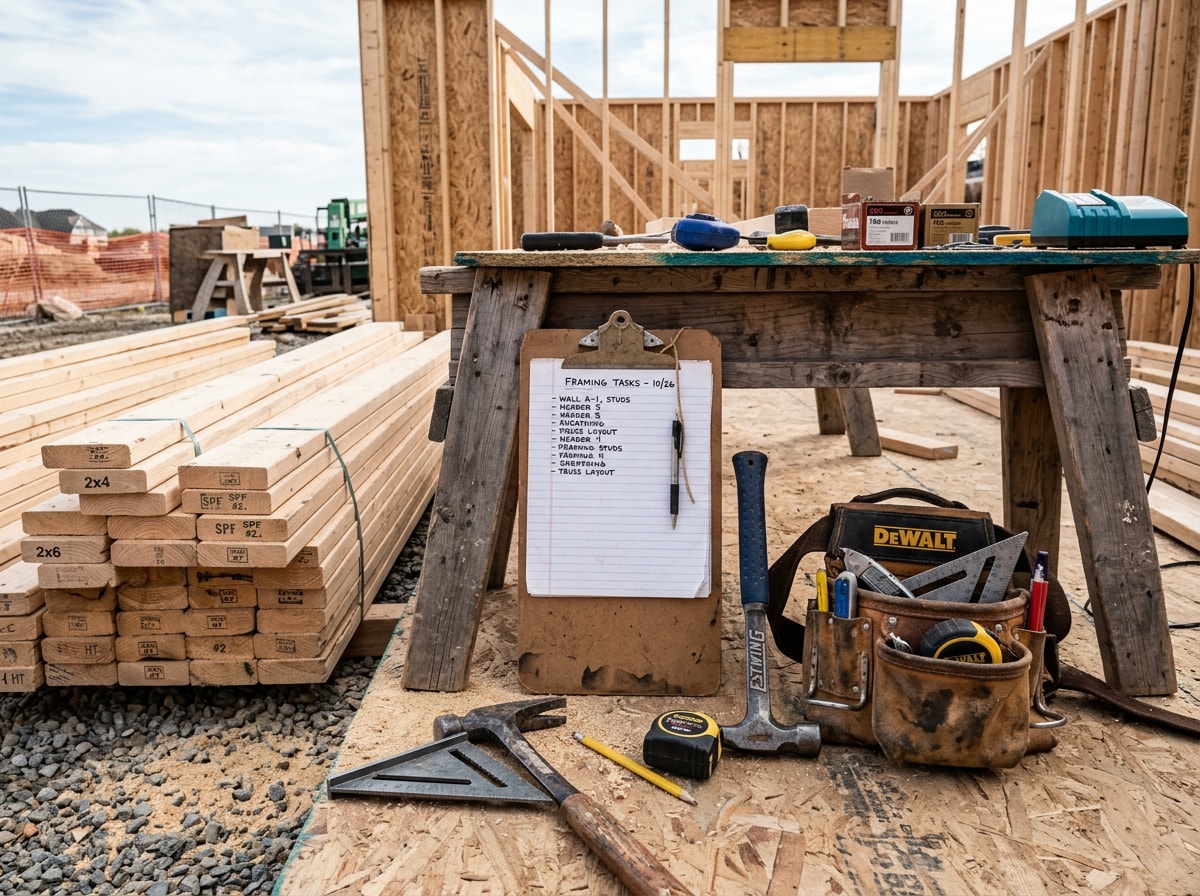
Core foreman duties include:
- Assigning tasks each morning and keeping the crew moving at a pace that matches the schedule
- Confirming materials, tools, and equipment are staged and ready before work starts
- Checking workmanship and catching quality issues before they become rework
- Enforcing safety rules within the crew's own scope of work
- Flagging material shortages, design conflicts, or delays before they stall the job
A trade foreman, whether in electrical, framing, or concrete, typically knows that trade inside and out, often from years working the tools before stepping into a lead role. On most projects, the foreman reports to the superintendent. On larger, more layered jobs, a general foreman may sit between the two.
What Does a Superintendent Do in Construction?
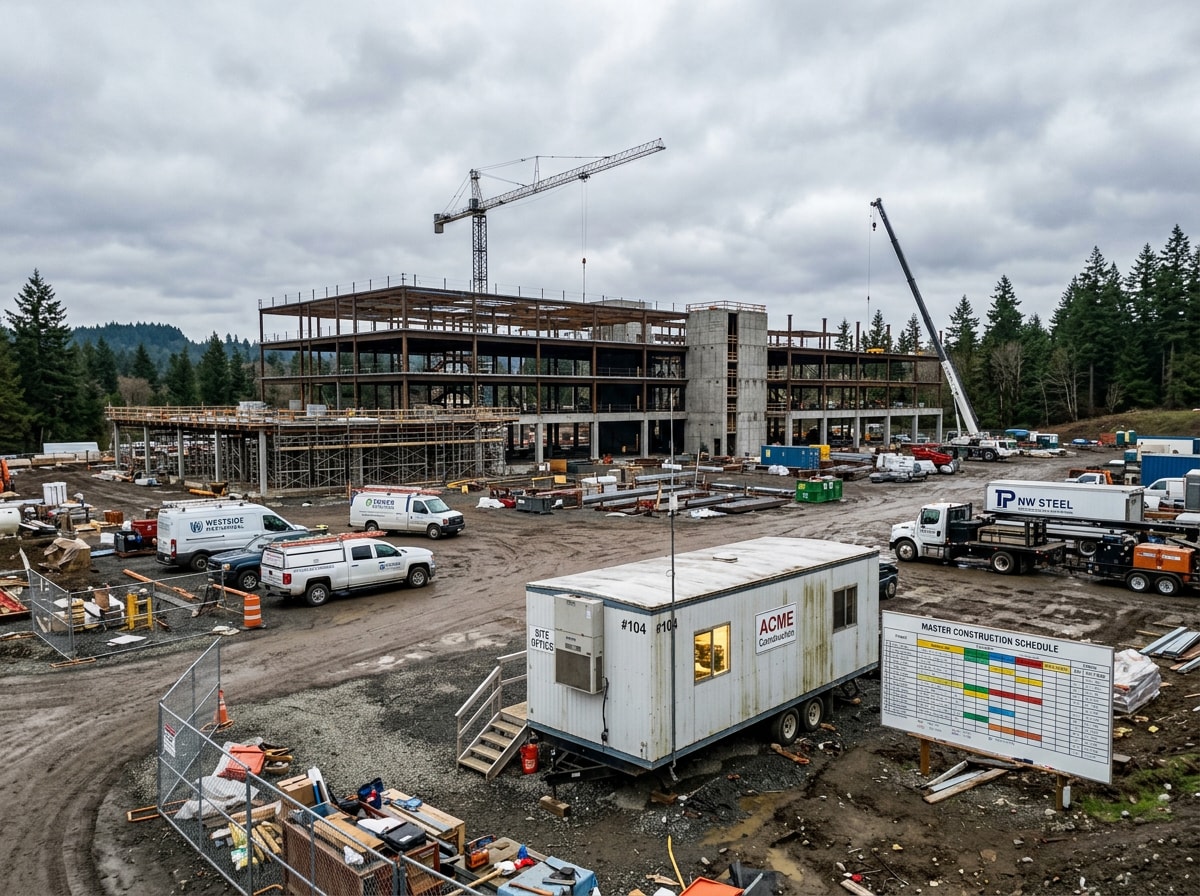
A superintendent oversees the entire site, not just one piece of it. Where a foreman goes deep into one trade, the superintendent's job is breadth.
Typical superintendent responsibilities include:
- Coordinating every trade and subcontractor working on the job
- Owning and adjusting the master project schedule
- Sequencing work so one trade doesn't collide with the next (concrete before framing, framing before mechanical rough-in, and so on)
- Holding responsibility for safety and quality across the full project lifecycle
- Reporting progress, risks, and budget issues to a project manager or company ownership
Superintendents typically report to a project manager or leadership above the field level, which means thinking in weeks and phases rather than just today's task list. If you're planning a build in the area, our custom home building services page shows how we structure that kind of site-wide oversight on local projects.
Foreman vs Superintendent in Snohomish County, WA: The Key Differences
The comparison comes down to scope, span of control, and decision authority. Laid out side by side, the differences are easy to track.
| Factor | Foreman | Superintendent |
|---|---|---|
| Scope of responsibility | One crew or trade | Entire project site |
| Span of control | A handful of workers | Multiple foremen and subcontractors |
| Decision authority | Daily task-level calls | Schedule, budget, and site-wide calls |
| Chain of command | Reports to superintendent or PM | Reports to project manager or ownership |
| Typical education | On-the-job, trade experience | Trade experience plus formal scheduling/budget training |
Job titles vary by company, so these lines can blur on small crews. On most residential and commercial projects in the county, though, this breakdown holds.
Foreman vs Superintendent Pay in Washington State (2026)
Pay varies by company, project size, and experience, but the federal wage data tells a clear regional story: Washington is one of the highest-paying states in the country for both roles.
| Role | SOC Code | National Median (May 2025) | Washington State Median |
|---|---|---|---|
| Foreman / first-line construction supervisor | 47-1011 | $79,920/year | $109,570/year (highest in the U.S.) |
| Superintendent / Construction Manager | 11-9021 | $114,990/year | $155,070/year (2nd highest in the U.S.) |
Workers in this role on average earn $79,920 a year nationally, with the top 10% earning $128,260 or more.
First-Line Supervisors of Construction Trades and Extraction Workers earn the most in Washington at $109,570 a year, the highest median in the nation, followed by Illinois and New Jersey.
On the superintendent side, the median annual wage for construction managers was $114,990 in May 2025 , and Washington ranks among the highest-paying states for construction managers at $155,070 , trailing only New York.
For anyone comparing construction pay in 2026, the BLS Occupational Employment and Wage Statistics release and the BLS Occupational Outlook Handbook entry for construction managers are far more reliable starting points than any single company's internal salary claims.
When Does a Foreman or Superintendent Get Paid Prevailing Wage?
This is the part most generic guides skip, and it matters a lot on public projects in Washington. On state and local government jobs, RCW 39.12.020 requires prevailing wages on public works for the state and any county, municipality, or political subdivision , with rates set by county through L&I.
Here's where it gets specific to foremen and superintendents: being salaried or classified as a "supervisor" doesn't automatically exempt someone from prevailing wage. Supervisors and foremen must be paid prevailing wage for a full work week if 50% or more of their time that week is spent doing hands-on work, covering all hours worked including their supervisory duties . Fall under that threshold, and only the hands-on hours get the prevailing rate.
Contractors bidding public work in Snohomish County also need an active registration. An active L&I registration confirms the contractor has a surety bond, general liability insurance, and a valid Unified Business Identifier with the state . The full rules are laid out on the Washington State L&I prevailing wage page for workers.
Who Has More Authority on a Construction Site?
The superintendent sits above the foreman in the field chain of command, but that's not about rank for its own sake. A superintendent's authority is broad, covering the whole project. A foreman's authority is narrow but deep, rooted in direct trade expertise.
A strong superintendent relies on the foreman's trade-level knowledge rather than overriding it. The structure works best when both roles trust the other's lane, especially on a multi-trade residential build where timing mistakes get expensive fast.
Common Misconceptions About Foreman and Superintendent Roles
One of the most common misconceptions is that both roles "do the same job." Both are on-site daily, both deal with deliveries and safety checks, but the scope and accountability behind those tasks differ sharply.
Another myth holds that both roles manage the same people. In practice:
- A superintendent typically oversees several foremen and subcontractor leads
- A foreman typically manages only workers without supervisory duties of their own
- A general foreman, where the role exists, usually sits between the two, managing multiple crews within one trade area
Titles alone don't always reflect the actual org chart, which causes most of the confusion in job postings and bid documents.
Do You Need a Foreman, a Superintendent, or Both?
Smaller, single-trade projects, like a kitchen remodel or a standalone deck, often only need a strong foreman. There's one crew, one trade, and limited coordination required.
Larger or multi-trade jobs are a different story. Once a project involves several trades working in sequence, a superintendent becomes necessary to keep schedules aligned and avoid costly conflicts between crews. On bigger commercial and whole-home builds, it's common to see both roles working together, sometimes with a general foreman layer between them.
Understanding your staffing needs upfront helps avoid both under-staffing a complex job and over-staffing a simple one. If you're weighing options for a project anywhere in Snohomish County, you can see real numbers in our cost breakdown for custom home construction in Snohomish County, or request a quote and we'll tell you straight whether your job needs a foreman, a superintendent, or both.
How Do You Move Up From Foreman to Superintendent?
The jump from foreman to superintendent is a real career path, not an automatic promotion. The skills gap usually isn't technical. It's learning to coordinate across trades instead of managing just one, building a master schedule, and tracking budget and quality site-wide.
Strong candidates for this move typically:
- Cross-train on multiple trades instead of specializing in just one
- Shadow a superintendent's planning and subcontractor meetings
- Pick up formal scheduling and budget training
The Associated General Contractors of America's Supervisory Training Program is a construction-specific training curriculum developed by contractors, for contractors , and it's one of the more recognized paths for field leaders looking to move up. Details are available through AGC's Supervisory Training Program.
If you're building a project team in the region, our general contractor services page outlines how we staff field leadership on jobs of different sizes, and our homepage has our full service list if you're not sure where to start.
FAQ
What Is the Difference Between a Foreman and a Superintendent?
A superintendent oversees the whole site, coordinates all trades, manages the schedule, and carries project-wide accountability. A foreman runs one crew within a single trade. The superintendent's scope is broad; the foreman's is deep but narrow.
Is a Superintendent Higher Than a Foreman?
Yes. The superintendent sits above the foreman in the field chain of command, holding broader site authority, while the foreman holds crew-level authority within one trade. Neither role is "lesser," just scoped differently.
Who Does a Foreman Report to on a Construction Site?
A foreman typically reports to the superintendent. On larger or general-contractor-led jobs, they may instead report to a project manager or a general foreman positioned between the two roles.
How Much Do Foremen and Superintendents Make in Washington State?
Washington pays among the highest wages in the country for both roles. Foremen (first-line construction supervisors) have a state median around $109,570 a year, the highest in the U.S., against a national median of $79,920. Superintendents, tracked under the Construction Managers category, have a state median around $155,070, against a national median of $114,990.
Can a Foreman Become a Superintendent?
Yes, and it's one of the most common career paths in the trades. The move usually requires cross-trade exposure, scheduling and budget skills, and often formal supervisory training rather than a title change alone.
What Is the Difference Between a Foreman and a General Foreman?
A foreman manages a single crew within one trade. A general foreman typically manages multiple crews or foremen within that same trade on a larger job, sitting between the foreman and the superintendent in the chain of command.