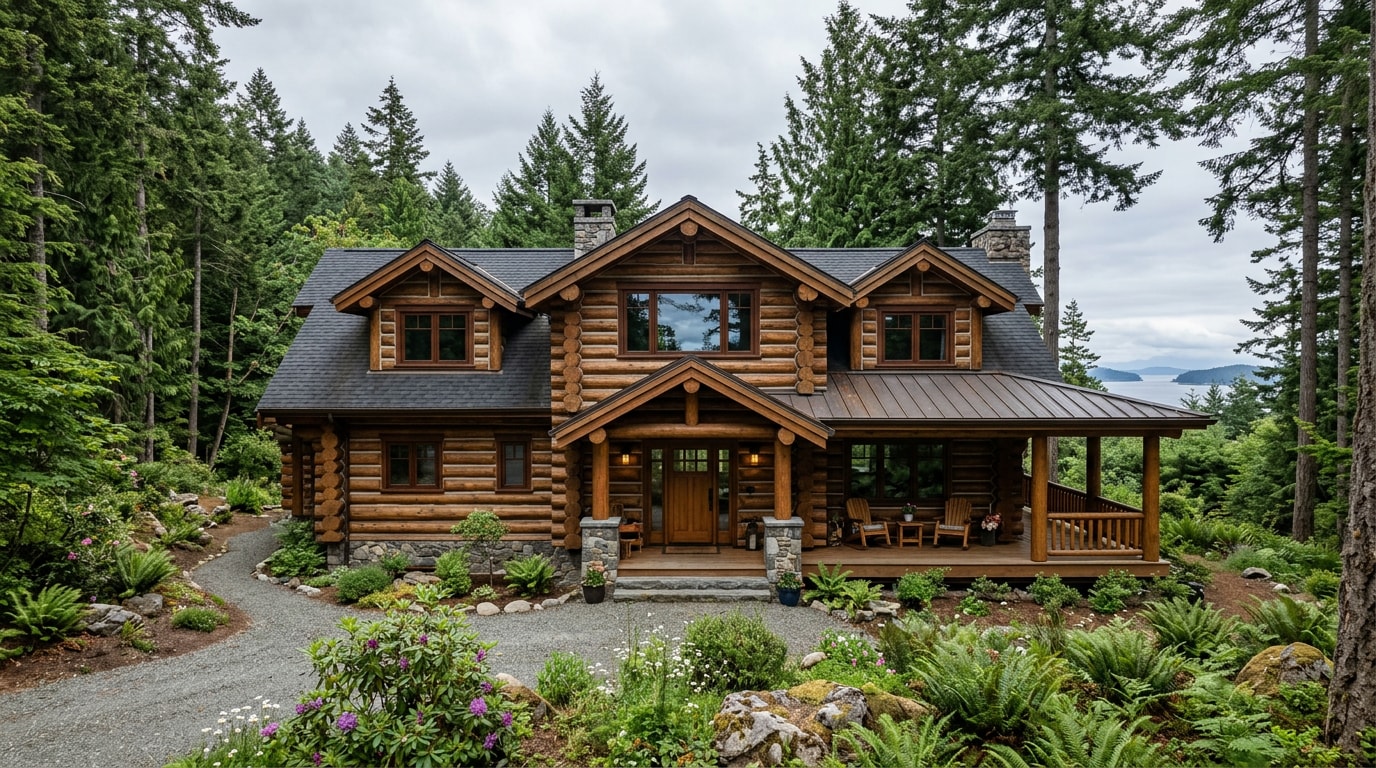
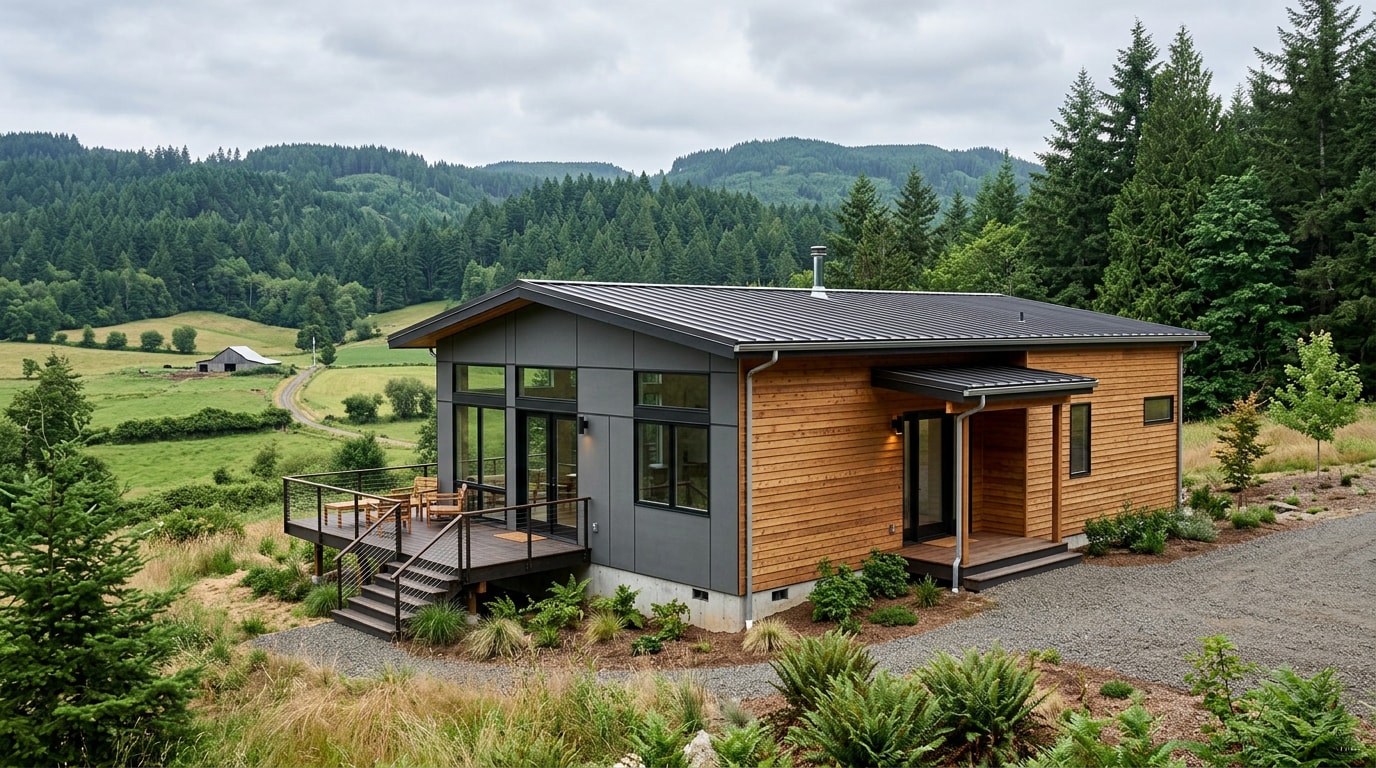
Finding reliable modular home builders in Skagit County, WA means vetting more than a floor plan catalog. You need a team that can produce, permit, deliver, and set a factory-built home on your exact lot, whether that's a rural parcel near Sedro-Woolley or an in-town site close to Mount Vernon. Here's what separates a serious modular builder from a company that just resells someone else's units.
What Is a Modular Home? (And How It Differs From Manufactured)
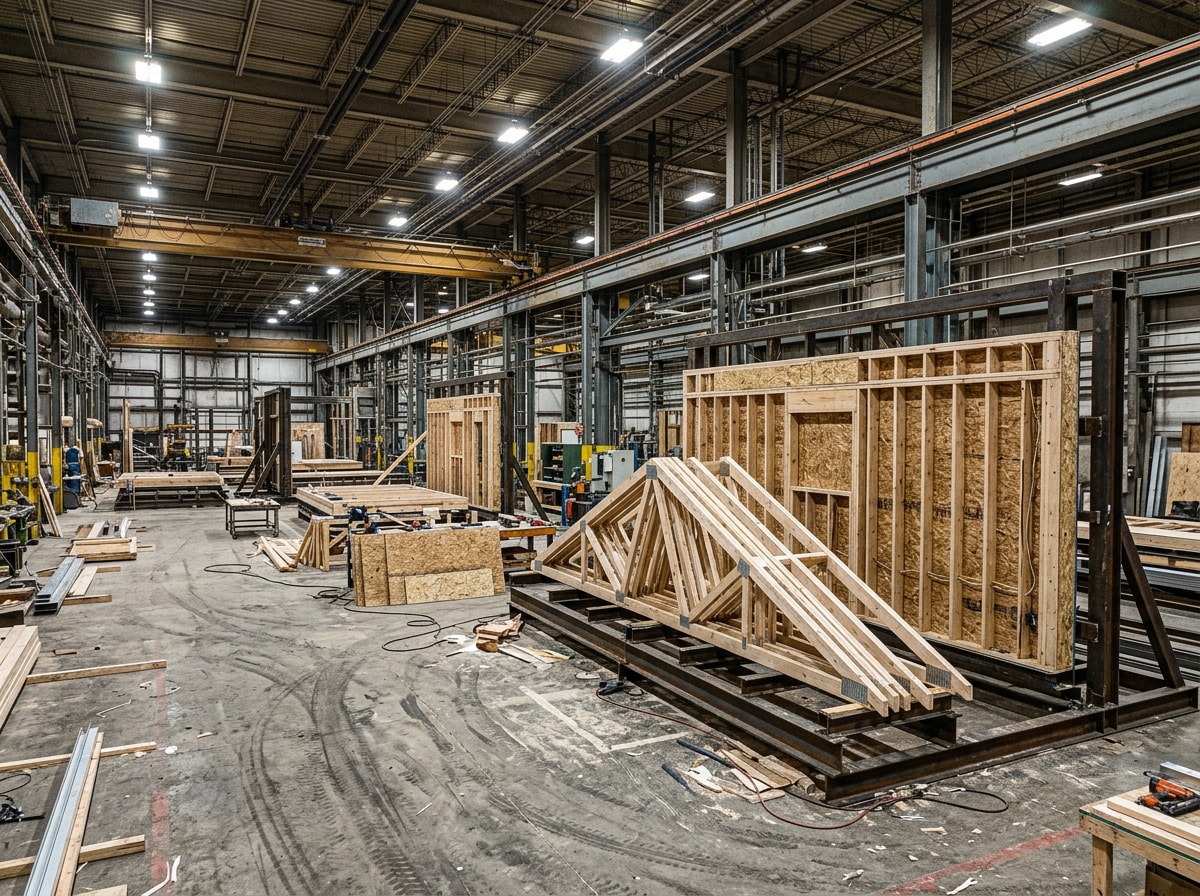
A modular home is built in sections inside a factory, then trucked to your site and assembled on a permanent foundation. The code it's built to is what actually matters for financing, resale, and inspections.
Modular homes are constructed to the same International Residential Code (IRC) used for traditional site-built houses in Skagit County, not the federal code that governs manufactured housing. Modular homes are built to the same International Residential Code (IRC) as site-built homes, require a permanent foundation, and undergo the same inspections and safety and quality standards as any home in your neighborhood. Manufactured homes, by contrast, are built under the National Manufactured Housing Construction and Safety Standards Act, which outlines strict national guidelines for construction rather than local codes.
That distinction shows up in the fine print, too. One often-overlooked detail: manufactured homes in Wind Zone III are designed to withstand sustained wind speeds of 110 mph, while a modular home built to the IRC in the same region must withstand winds of 140 to 180 mph , depending on location. That's a meaningful engineering gap for anyone comparing a modular quote against a cheaper manufactured one. For the full code language, the International Residential Code overview from ICC explains what's covered.
| Feature | Modular Home | Manufactured Home |
|---|---|---|
| Governing code | IRC (state/local) | Federal HUD Code |
| Foundation | Permanent, required | Often pier/chassis-based |
| Local inspections | Same as site-built | Factory-certified, limited local review |
| Financing | Conventional mortgages | FHA/chattel loan limits often apply |
How to Choose Modular Home Builders in Skagit County
Not every company that sells modular homes actually builds or installs them. Before you sign anything, check these items:
- In-plant inspection records. Ask for documentation showing third-party plan review, not just marketing photos.
- Delivery radius and freight cost. Some manufacturers build in-state; others ship from Oregon or Idaho, which affects lead time and cost to your Skagit County address.
- Route and trailer clearance. Narrow rural roads and older bridges in parts of the county can limit which trucks and trailer sizes reach certain parcels. Confirm the builder has actually routed a delivery to your area before you commit.
- Engineering for local loads. Plans should be engineered for Skagit County's snow and wind requirements, not just a generic statewide spec.
- Warranty terms in writing. Structural warranty length and what it covers (factory defects vs. site work) should be spelled out before you order.
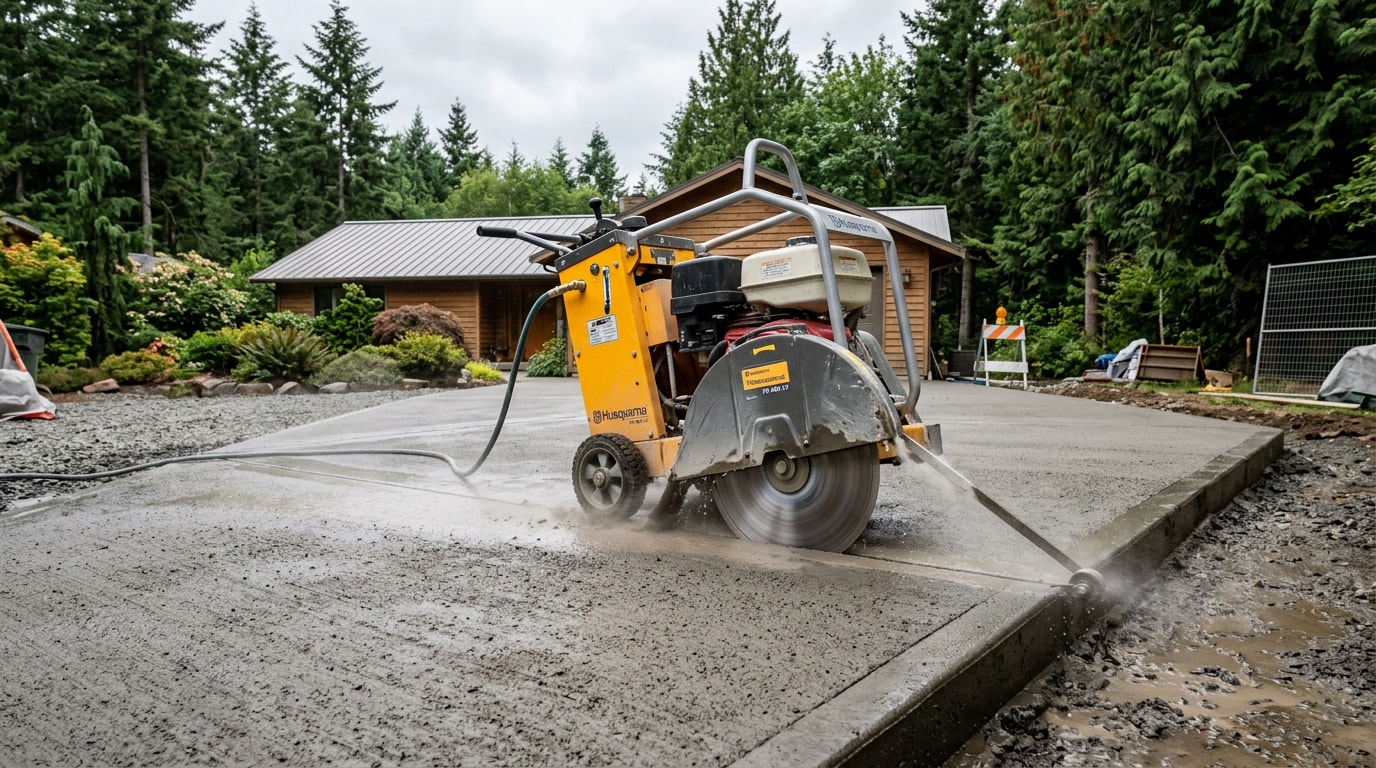
If you're also comparing foundation and site work separately from the modular package itself, our site preparation and building site grading teams handle that groundwork independently of whichever manufacturer you choose. Request a quote to get realistic timelines for your specific address.
What Modular Homes Cost in Skagit County
Modular construction tends to run lower than comparable site-built work because factory efficiency cuts labor hours and material waste. But in Skagit County specifically, those savings can shrink once land, site prep, and delivery distance are added in. A lot near Mount Vernon prices differently than one tucked off a rural county road with no utility stubs.
Three cost factors matter more locally than the national averages you'll see online:
- Site access. Steep driveways or soft soil add grading and foundation cost.
- Utility distance. Wells, septic, and power runs on rural acreage can outweigh the modular savings entirely.
- Delivery mileage. The farther the factory, the higher the freight line item.
Get a site-specific number rather than relying on a national cost-per-square-foot figure. Explore custom home construction if you'd rather compare a traditional build against modular before deciding.
Energy Efficiency in a Wet Climate
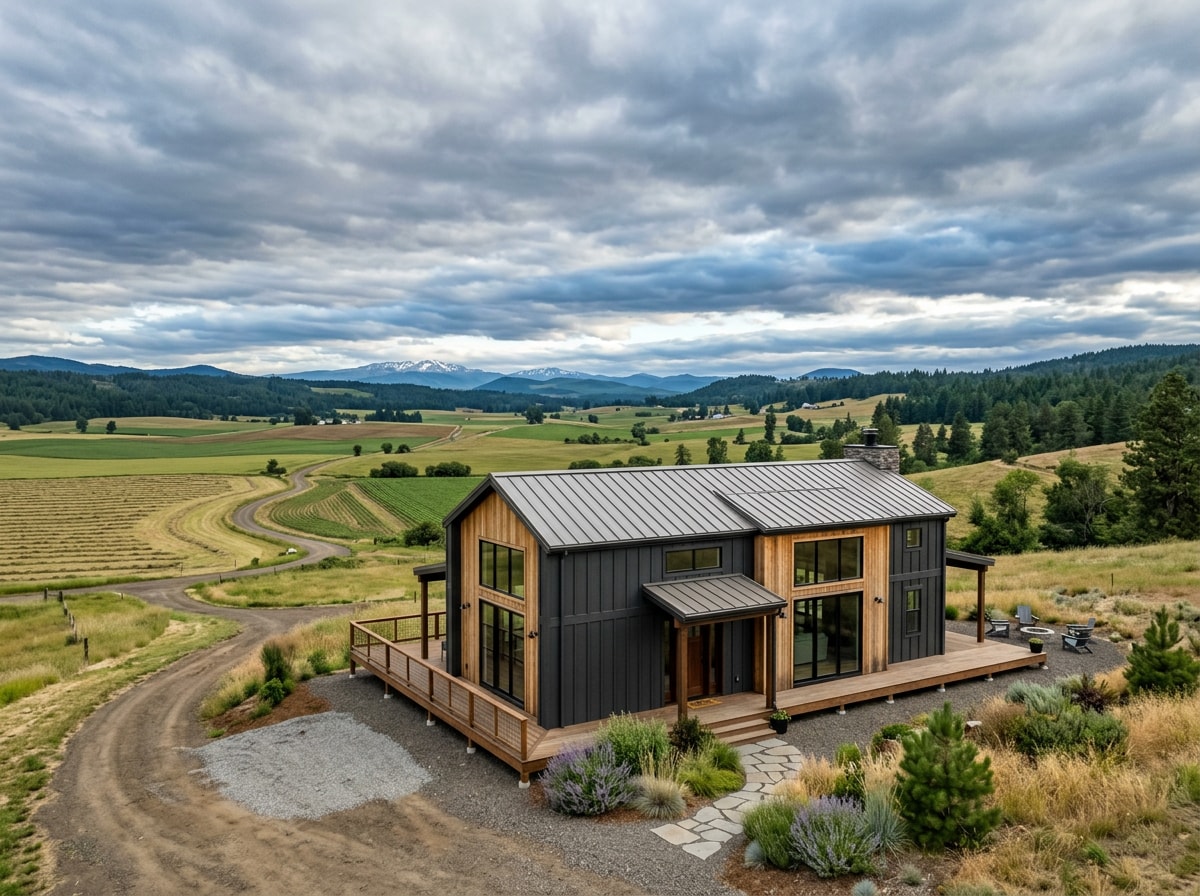
Factory-controlled building conditions allow for tighter insulation and more consistent air-sealing than homes framed outdoors in variable weather. That matters in Western Washington, where persistent moisture and seasonal cold put real demands on a building envelope.
Worth knowing: ENERGY STAR runs separate certification tracks for these two construction types, and the programs are not interchangeable. The ENERGY STAR Manufactured New Homes program applies to homes built to the federal HUD Code, while separate ENERGY STAR programs are available for site-built and modular single-family homes and multifamily buildings. If a builder markets "ENERGY STAR modular," ask which specific program and rater certified the home. The ENERGY STAR manufactured and modular program requirements page spells out the distinction.
Custom Modular Homes Aren't Cookie-Cutter
Modular doesn't mean limited. Base floor plans can be reconfigured, stretched, or mirrored to fit irregular Skagit County lot shapes, and buyers can personalize finishes, window placement, and room layouts to capture valley or water views.
A builder working in modular construction locally also has to engineer around real site conditions: coastal moisture exposure near Puget Sound, agricultural-zone setbacks, and view-lot orientation along the Skagit River valley. If your project needs land division or grading before modules can even be delivered, our residential land development service covers that groundwork, and the custom home builder team can coordinate site work alongside your modular manufacturer.
Permits and Lots: What Skagit County Actually Requires
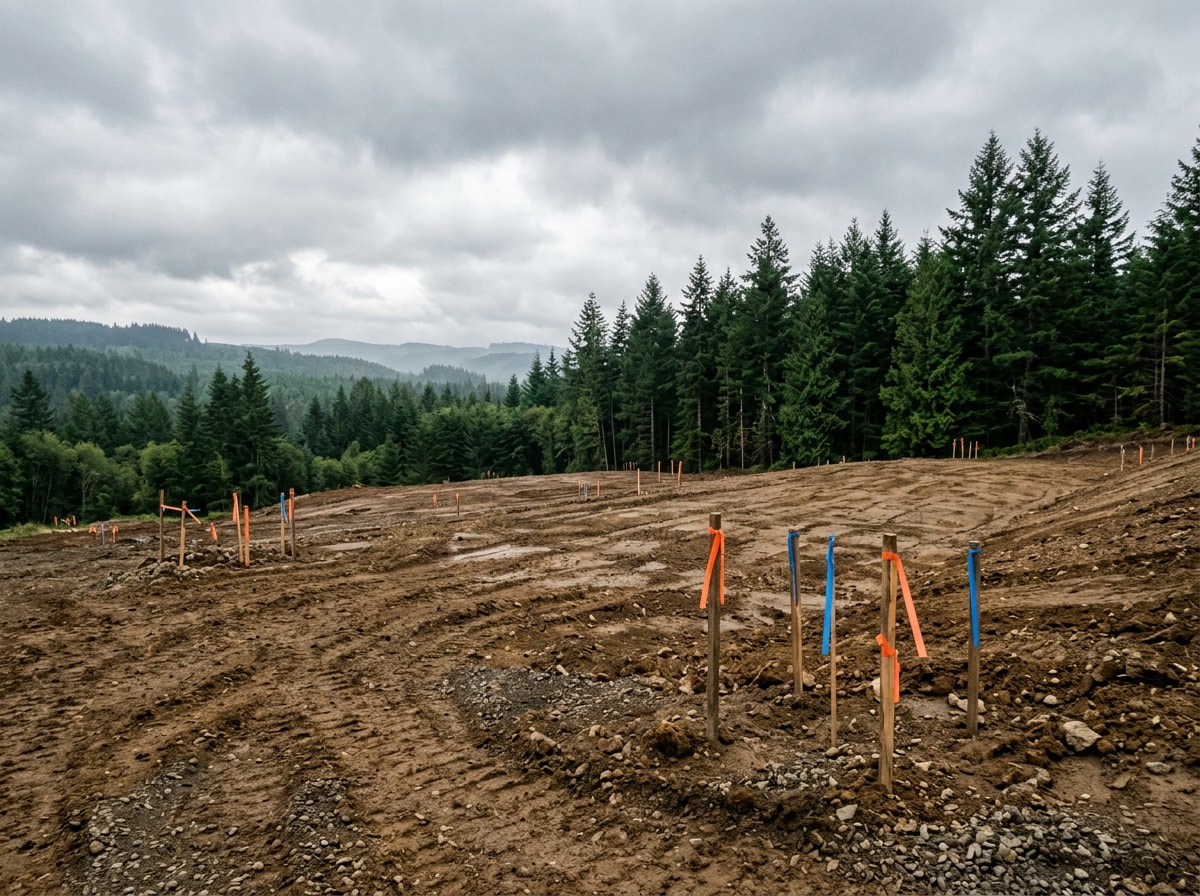
Permitting is where modular projects stall if nobody checks the paperwork early. Skagit County's own building permit application treats modular homes as their own category, separate from manufactured homes and standard site-built construction, and requires a foundation square footage figure specific to modular placements. The application separates Residential (site-built), Manufactured Home, Modular Home, and Manufactured ADU into distinct permit categories, each with its own foundation requirements.
A few local details worth knowing before you shop for land:
- Zoning varies by parcel type. In-town lots with existing utility hookups follow different rules than rural acreage requiring well and septic planning.
- Tribal trust land has a separate review path.
For certain parcels, Skagit County or the Swinomish Indian Tribal Community performs the lead role in application review , so confirm jurisdiction before you finalize a lot.
- Pre-application meetings save time.
Skagit County recommends submitting a Pre-Development/Pre-Application Meeting Request form before filing the full building permit package.
You can reach Skagit County Planning & Development Services directly, as Planning & Development Services is located at 1800 Continental Place, Mount Vernon, WA 98273, with a main line at 360-416-1320 . For the current checklist and fee schedule, visit the Skagit County Planning and Development Services permitting page directly, since fees and forms are updated periodically.
If you're weighing foundation options for a modular placement, our guide on how to choose piling contractors in Skagit County covers foundation choices for soft or sloped sites, which is common on riverfront and agricultural-zone parcels in this county.
For coverage details across our full service area, see our Skagit County, WA service page, or start with our homepage to see the full range of general contracting and custom home services we offer alongside modular site work.
FAQ
What is the difference between a modular home and a manufactured home?
Modular homes are built to the IRC, the same code used for site-built houses, and require a permanent foundation. Manufactured homes follow the federal HUD Code instead, which affects financing, inspections, and often the foundation type.
How much does a modular home cost in Skagit County, WA?
Modular construction typically costs less per square foot than comparable site-built homes due to factory efficiency. Local land, utility hookups, and delivery distance from the factory can close that gap, so get a site-specific quote rather than relying on a national average.
Do I need a permit for a modular home in Skagit County?
Yes. Skagit County requires a building permit for modular home placement, and the modular category is tracked separately from manufactured homes and standard site-built permits on the county's application.
How long does it take to build and install a modular home?
Factory build time is usually faster than site-built framing since weather doesn't stop production. Total project timeline still depends on permit review, site prep, foundation work, and delivery scheduling from the manufacturer's plant.
Can modular homes be customized?
Yes. Base floor plans can be stretched, mirrored, or reconfigured, and buyers can choose finishes, window placement, and room layouts. Modular construction has moved well past the boxy stereotype many buyers still expect.
Are modular homes a good long-term investment?
Because modular homes are built to the IRC and appraise more like site-built houses, they generally hold value and qualify for conventional financing more easily than HUD-code manufactured homes. Land value, location, and build quality still drive most of the resale outcome.