Sunroom builders in Whatcom County, WA all say the same three things: licensed, insured, free estimates. The real differences show up in the glass system they install, how they tie a new roofline into your existing one, and whether they pull a permit before the first stud goes up. This guide breaks down what separates a sunroom that holds up for twenty years from one that leaks by year three.
Sunroom Styles Built for Whatcom County Homes
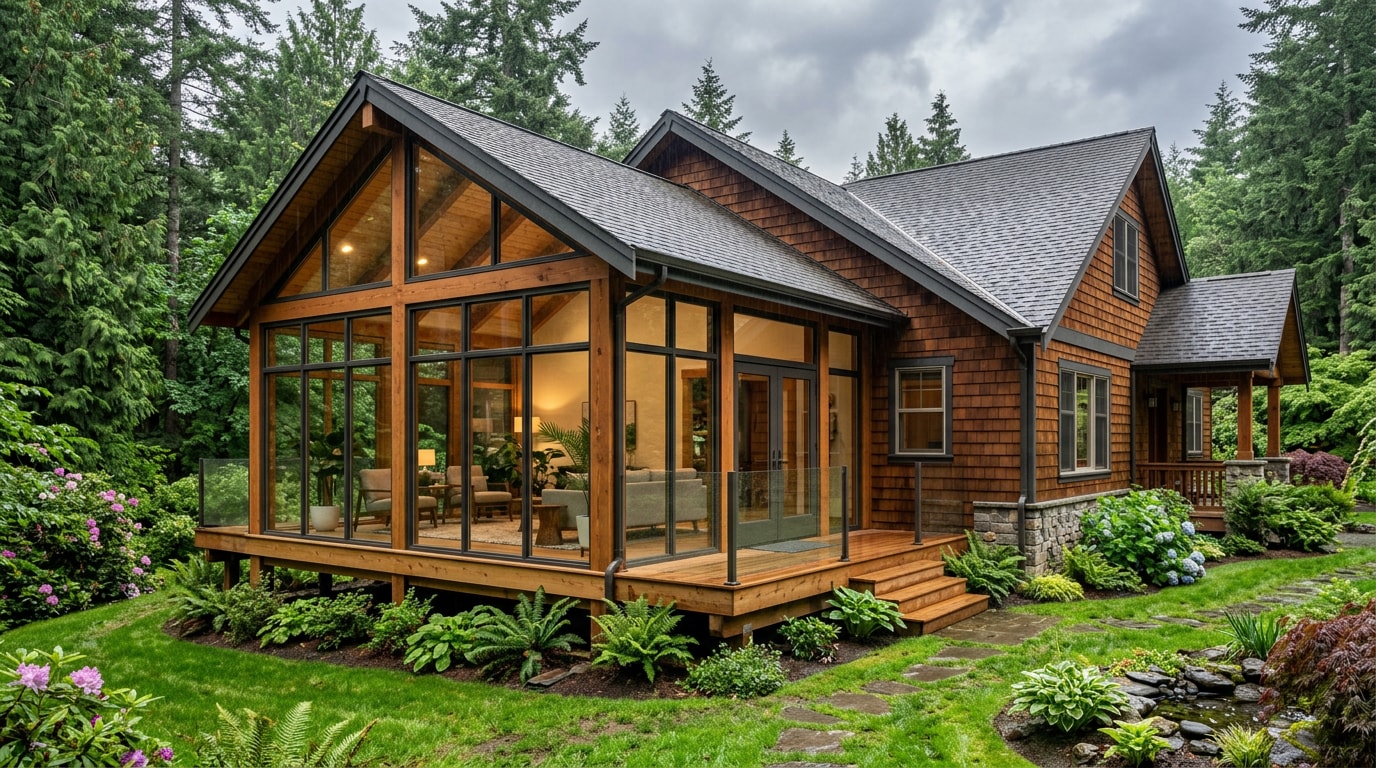
Whatcom County's mix of rural acreage, waterfront lots, and in-town Bellingham properties means sunroom projects vary widely in scope. Some homeowners want a simple enclosed porch for rainy-afternoon reading. Others want a year-round living room with heating and insulated glass that holds up through a Pacific Northwest winter.
The main styles homeowners choose between:
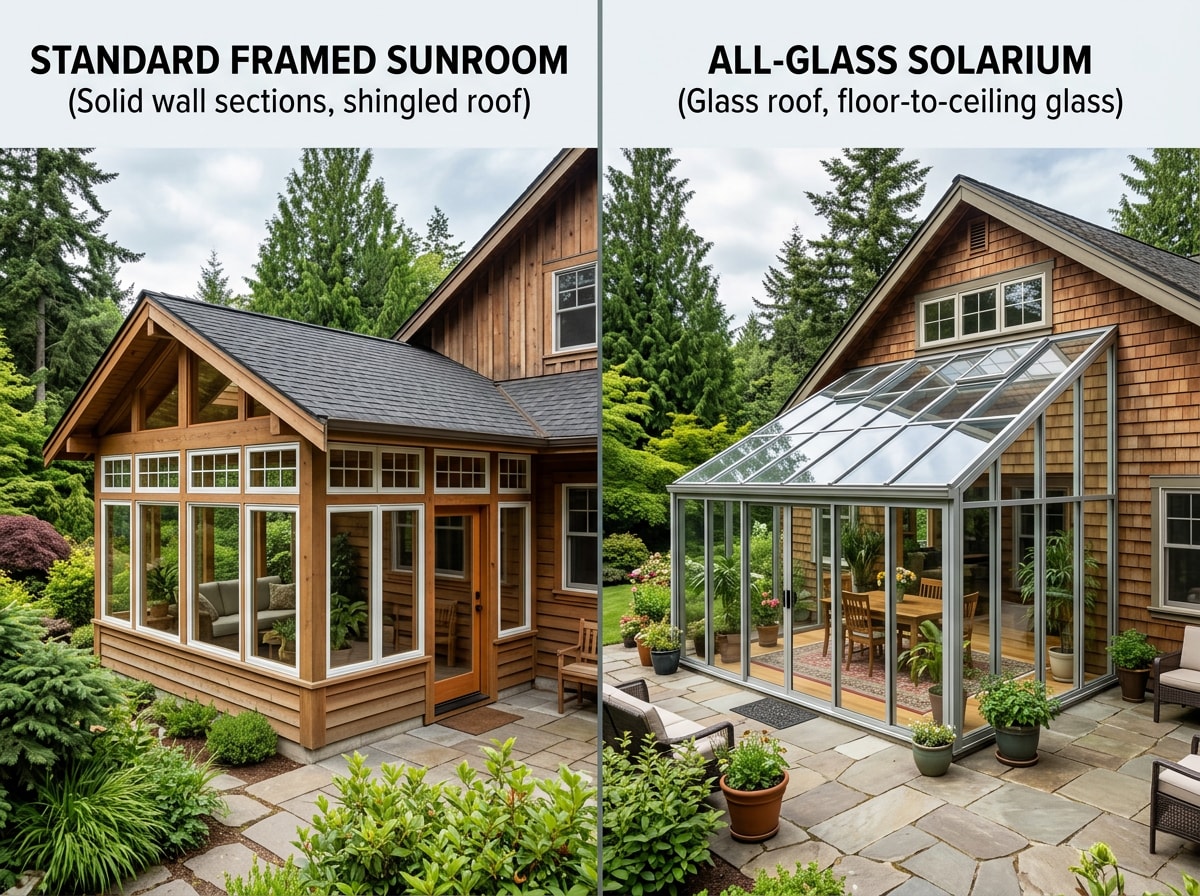
- Standard sunroom – mixes glass walls with framed sections for light without losing privacy or wall space. Fully customizable roofline (gable, shed, or studio-style).
- Solarium – glass on nearly every surface, including some or all of the roof, for maximum light and views.
- Studio sunroom – a compact, single-purpose add-on, often the lowest-cost option.
- Cathedral sunroom – a steep, peaked glass roofline for extra ceiling height and a dramatic look.
- Three-season room – built with single-pane or non-insulated glass, comfortable spring through fall.
- Four-season room – insulated glass plus a heat source, usable in every month of the year.
Which style fits depends on your budget, how much of the year you want to use the room, and how much heat gain you're willing to manage. Browse our home additions and sunroom projects for examples of how each style gets tied into an existing structure.
What Does a Sunroom Cost in Whatcom County, WA?
Sunroom pricing depends heavily on type, size, and whether the room is insulated for year-round use. Average cost per square foot runs $100 to $350 depending on type and materials, with three-season rooms typically costing $18,000 to $42,000 and four-season rooms costing $25,000 to $50,000, plus $200 to $1,500 for permits. A full solarium with extensive glazing sits at the higher end of the range, and national cost guides put the overall average sunroom project between $20,000 and $80,000 depending on size, materials, and design.
Here's how the main options compare:
| Sunroom Type | Typical Cost Range | Best For |
|---|---|---|
| Three-season room | $18,000 – $42,000 | Spring-through-fall use, lower budget |
| Four-season room (insulated + heated) | $25,000 – $50,000+ | Year-round living space |
| Full solarium | $30,000 – $80,000+ | Maximum light, premium look |
One detail most quotes don't spell out: a contractor's markup covers overhead, insurance, and profit, typically 20% to 35% on top of materials — which is why two bids on the same project can look wildly different even when the materials list is identical. Always request a written, itemized quote that breaks out materials, labor, permits, and timeline separately, not a vague lump sum.
Permits and Licensing: What Washington Law Requires
A sunroom isn't a window swap. It's a structural addition that ties into your home's framing, roofline, and sometimes its foundation, and that means two things have to happen before construction starts: a permit and a licensed contractor.
Permits. Nearly every jurisdiction in Washington requires a building permit for a sunroom addition since it involves new framing, electrical work, and sometimes foundation changes. In Whatcom County, Planning and Development Services recommends researching the land use requirements of your property before moving forward to a building permit , since shoreline and critical-area overlays can affect what's allowed. Permit fees are largely based on the valuation of the proposed structure, the project's proximity to critical areas, and the number of proposed mechanical and plumbing fixtures. A reputable contractor pulls this permit and coordinates inspections as a standard part of the job, not an optional add-on.
Licensing. Sunroom builders should operate as licensed general contractors, not handymen working without a bond, and not pure window-replacement outfits that don't handle structural framing. Washington raised its contractor bond requirement effective July 1, 2024, to $30,000 for general contractors and $15,000 for specialty contractors , so an active bond at the current amount is one of the first things to verify. Any contractor worth hiring should hand over their L&I registration number without hesitation.
Don't just take a company's word for it. You can look up a contractor's license status, bond amount, and any filed complaints through Washington L&I's official Verify a Contractor tool before signing anything. You can also check jurisdiction-specific requirements through Whatcom County's Building Services Permit Center.
Materials and Glass Systems That Hold Up in Our Climate
The glazing and framing system you choose affects how a sunroom performs ten or twenty years out, not just how it looks on install day. Three framing types come up most often:
- Vinyl framing – resists moisture well with little upkeep, which suits Whatcom County's wet winters, though it flexes more in temperature swings than metal.
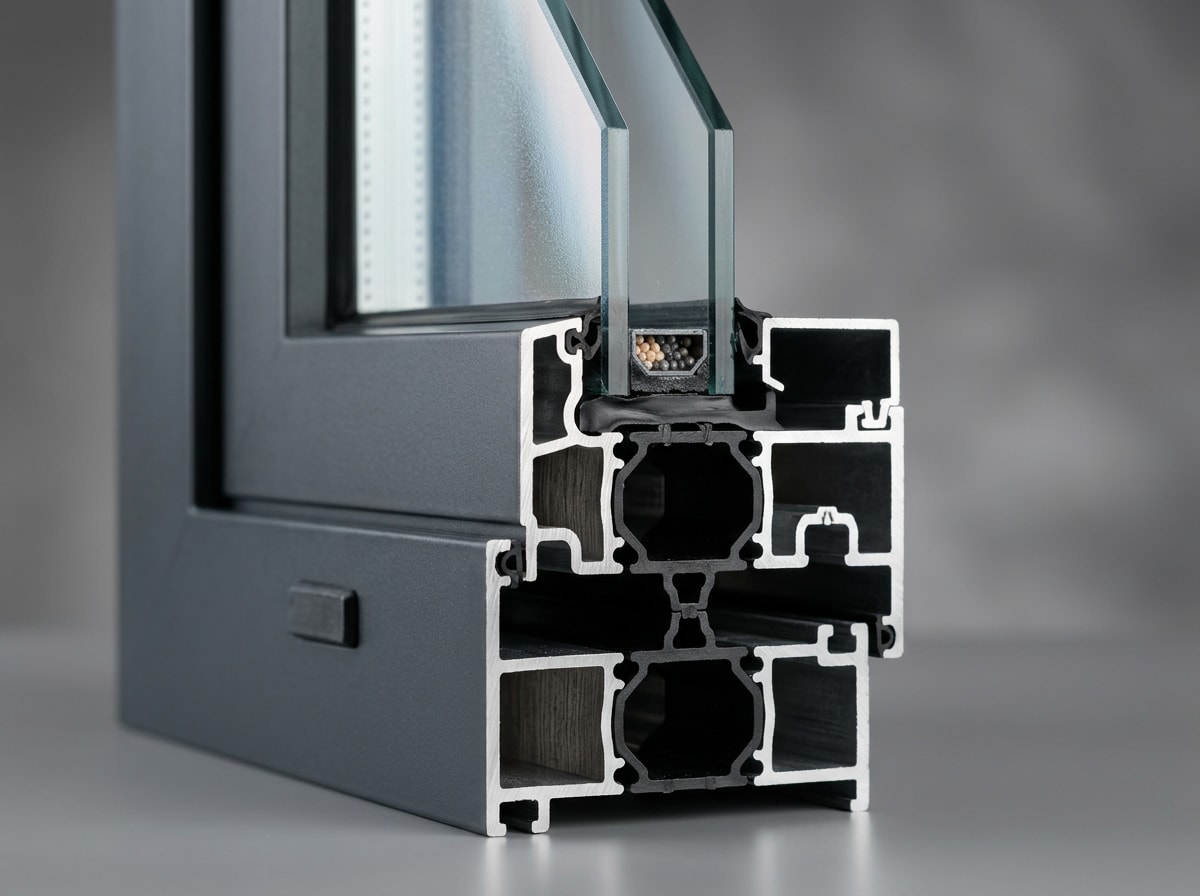
- Aluminum framing – slim and structurally strong, letting in more glass area, but conducts heat and cold unless it includes a thermal break.
- Clad-wood framing – the best insulation value and a warmer look, usually at a higher price point.
Across all three, insist on insulated glass units (double- or triple-pane with low-E coatings) rather than single-pane glass, especially for a room you plan to heat year-round. Standards keep tightening here: the newest ENERGY STAR criteria require a Northern-zone U-Factor of 0.22 or lower for windows and 0.26 or lower for patio doors , and Washington falls in that Northern zone. A lower U-factor means less heat loss through the glass during our gray, wet months. For a plain-language breakdown of what those numbers mean when comparing quotes, see ENERGY STAR's residential window and glazing guidance.
Our Sunroom Build Process
A solid sunroom project follows the same sequence regardless of style or budget:
- On-site consultation – measuring the space, assessing sun exposure, roofline, and drainage, and sketching a design around how you'll actually use the room.
- Written, itemized quote – materials, labor, permits, and timeline spelled out line by line.
- Permitting – the contractor pulls the permit and schedules required inspections.
- Framing and tie-in – matching the new structure to your existing roofline, wall height, and foundation type, then sealing that transition against moisture.
- Glazing and finishing – installing the glass system, trim, and any electrical or heating components.
- Final inspection and walkthrough – confirming the work passes code before handoff.
On a recent porch-to-sunroom conversion in Whatcom County, the trickiest part wasn't the glass. It was matching new roof trusses into a decades-old roofline without tearing into surrounding siding that was no longer available to match. That kind of tie-in problem is exactly why a general contractor with framing experience, not just a sunroom installer, matters once the project gets past the brochure stage.
Most reputable builders also offer a workmanship warranty covering installation, separate from the manufacturer's warranty on glass and framing. Ask to see both in writing before you commit. Request a free sunroom estimate to start that conversation.
Additions, Enclosures & Commercial Glass Projects
A sunroom is one piece of a broader structural project, and most homeowners who need one also end up asking about siding, roofing, or foundation work along the way. Two residential project shapes come up most often:
- Deck or porch enclosure – wrapping an existing outdoor structure in glass and framing to create usable indoor space without a full foundation rebuild. See our deck construction work for how that structural base gets built or reinforced first.
- Ground-up sunroom addition – built off the back or side of the house on its own footing, which gives more design flexibility but takes longer to permit and build.
Both approaches work well in Bellingham, Ferndale, Lynden, and the surrounding towns, though the right choice depends on your existing structure's condition and local setback rules. If you're weighing a full enclosed porch instead of a glass sunroom, our enclosed porches guide covers the cost and permit differences in detail.
Some Whatcom County business owners want glass enclosures too, such as a restaurant extending patio seating through the winter or an office adding a bright meeting space. Commercial glass enclosure projects usually get scheduled in phases around business hours, since closing a dining room for weeks isn't realistic. Our commercial tenant improvements team handles that phased scheduling on a regular basis.
Service Area
Our general contractor services cover sunrooms, additions, and full remodels across Whatcom County, including Bellingham, Ferndale, Lynden, and Blaine. Visit our homepage to see the full range of custom home building and remodeling work we do across the region.
FAQ
Do I need a permit to build a sunroom in Washington State?
Yes. Nearly every jurisdiction in Washington requires a building permit for a sunroom addition since it involves new structural framing, electrical work, and sometimes foundation changes. A reputable contractor pulls this permit and coordinates inspections as a standard part of the project.
How much does a sunroom addition cost?
It depends on type. A three-season room with non-insulated glass typically runs $18,000 to $42,000. A four-season room with insulated glass and heat runs higher, and a full solarium with extensive glazing sits at the top of the range. Get a written, itemized quote before comparing numbers you find online.
How long does it take to build a sunroom?
Expect several weeks for design and permitting before construction starts, followed by a few more weeks of on-site build time depending on size and complexity. Pacific Northwest weather can push the schedule since exterior framing work often pauses during heavy rain stretches.
What's the difference between a three-season and a four-season sunroom?
A three-season room uses non-insulated or single-pane glass and is comfortable from spring through fall. A four-season room uses insulated glass plus a heat source, making it usable year-round, including through Whatcom County's wet winters.
Is a sunroom worth it in a rainy climate like Whatcom County?
A well-insulated, four-season sunroom is generally worth it here because it turns gray, wet months into usable living space instead of a room you avoid half the year. A three-season room offers less value in this climate since it's only comfortable for a limited stretch of mild weather.
Should I hire a contractor or build a sunroom myself?
Basic materials for a DIY sunroom can be inexpensive, but it's harder to guarantee the structure meets code, especially for roof tie-ins and foundation work. A licensed general contractor handles permitting, structural framing, and inspections, which matters most for a four-season room with electrical and heating components.